
Your Environment Is Your Curriculum
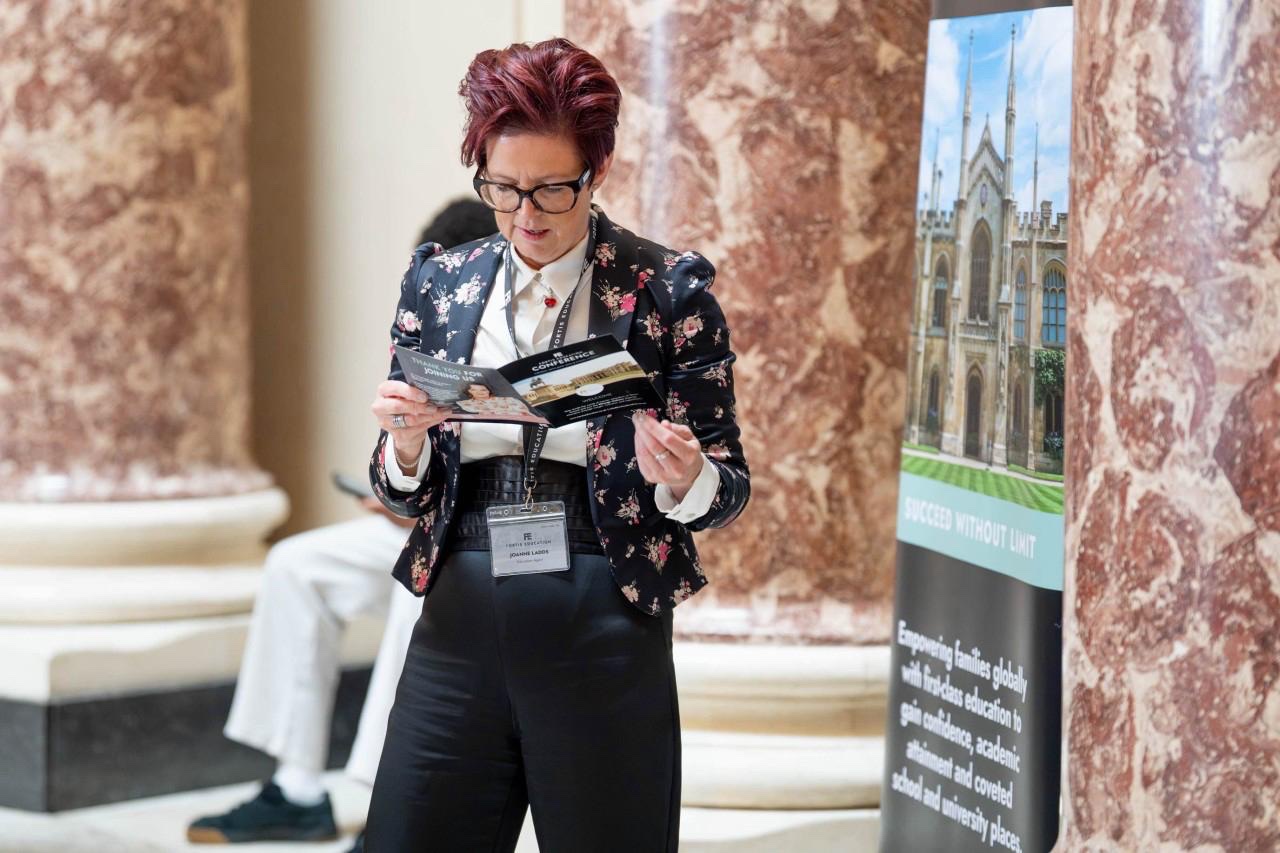

Reflections from the Fortis Education Conference at Stowe School
Dr Joanne Ladds, Noble + Eaton
The Fortis Education conference was held at the very beautiful Stowe School. My drive took me through the inspirational Silverstone community before arriving at the school itself.
When we talk about the intentional design of the learning environment, my day captured the very essence of what we mean by considering every learning opportunity — the whole of your campus.
As you drive through Silverstone, you can see, hear and feel the dedication, the high expectations, the confidence, the attention to detail. The roads, the parking, the buildings all working together to create an infrastructure where people can thrive. It felt professional.
I am making it sound like I spent the day at Silverstone when I only drove through it! That is how powerful the design of the environment can be. You don’t need to ask questions when the environment speaks for you; you can see it, hear it, feel it.
Driving down the long driveway to Stowe School was an equally ‘wow’ moment. From the fast pace of Silverstone to the quiet, beautifully kept grounds of Stowe. Time to prepare before a day of intellectual stimulation.
That time was needed! As you walk up to Stowe House the scale is one thing, the attention to detail another:
• This is a school without walls.
• This is a school where the design of the environment drives learning.
• This is where learning feels effortless and challenging.
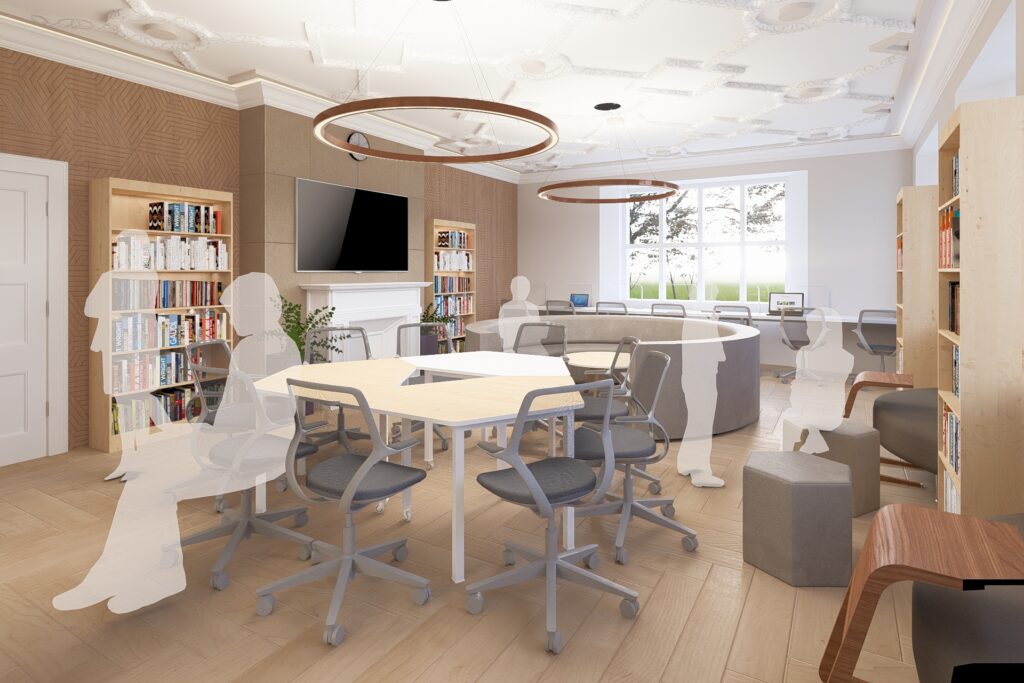
The conditions for good design
So, what did we learn at the conference?
Schools work hard to get design right. Should it be so hard? Sir Anthony Seldon said that getting it right is easy when you know the conditions. A little like the weather, it is possible to work in different conditions when you design the buildings to work within those parameters.
What are the parameters we need to consider?
The very best leaders never stop learning. They don’t get drawn into the details but view ideas from a distance. This enables the speed and timing of decisions to be accurate. Whilst the right pace is essential, the precision with which leaders can act depends on the trust in the team and how the team works together to connect the ideas to form a strategy. A sense of agency can only come from a shared understanding, common ground. Once this is understood, there is a feeling of ‘beauty’ and a sense of determined ease, and therefore confidence.
With the right team in the building, you need a curriculum; you need a learning journey to guide the development of ideas, to move a school forward. You need a strategy.
Knowledge, skills and what is fundamental
Barnaby Lenon CBE highlighted the continuous debate around knowledge, skills and the content in a learning journey. He referred to the research carried out by Michael Gove and his team to find the very best strategies used across the world, and how he still uses everything he was taught from one text during his time at school. This shows clearly how we will always use key concepts that are fundamental to our thinking, and they go back thousands of years.
The question should be: what is fundamental, foundational, and forward-thinking? When we can answer this question, we will start to change our education system for the better.
Access to knowledge and the format in which this is presented is significantly different now. We are now working in a new era of education and therefore schooling. A model for a curriculum based on modelling ‘knowledge’ alone, a siloed Bloom’s taxonomy approach, is too narrow and would not capture the knowledge or the skills we need for our learners to be prepared for their futures.
When we start to consider what it feels like to learn and what it feels like to want to learn, and the literacy, numeracy and oracy skills required for a young person to do just that, we start to change the lens on what is possible.
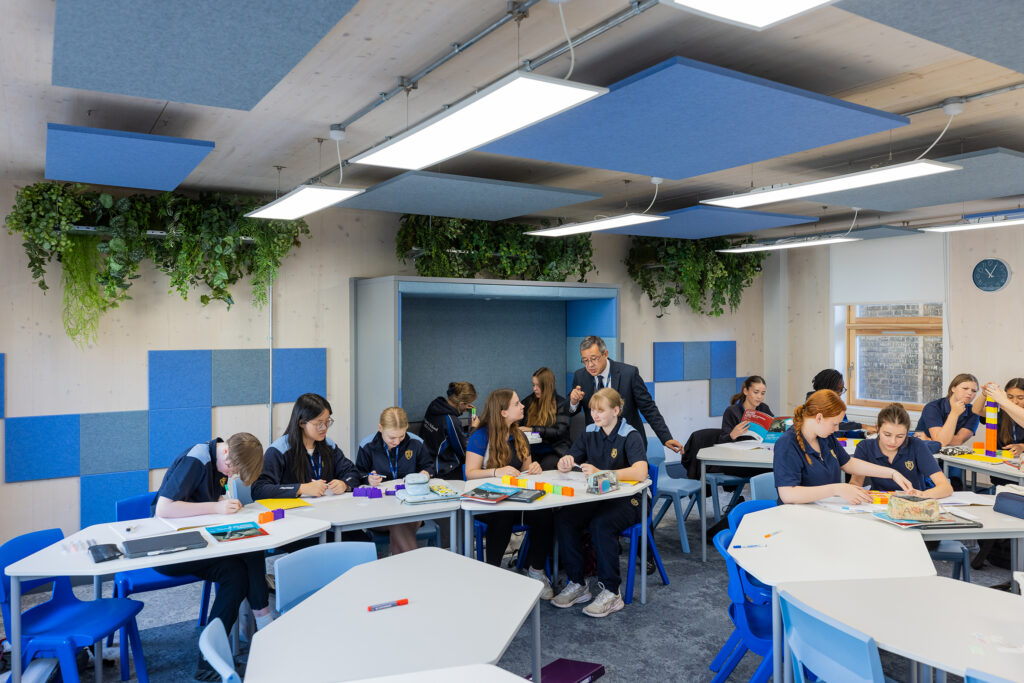
Inclusion starts with feeling safe
Gary Aubin, Director of SEND programmes, looked at this idea through the lens of inclusion. However, this is just a word, or a new policy, which doesn’t consider context or an understanding of how to be able to implement this in your context.
Inclusion is something that schools strive for all day every day. But if the environment is not psychologically safe for a learner, they won’t be focusing on anything but their immediate surroundings. This stress makes it impossible for them to be able to learn because all their energy is being used for being present, analysing every aspect of their environment to make sure they feel safe.
This is why we should be refocusing our assessments on what it feels like to learn rather than what we can memorise and repeat on a given day and time. This will give us a far more informed picture about ‘intelligence’ and its different forms; it will reveal potential.
It moves us beyond the knowledge-versus-skills debate to be able to track how someone learns by understanding how they think and teaching them accordingly. This is the approach in schools where there is a coaching approach to teaching and learning. Where there has been a move from passive to active learning. Where a learner has the opportunity to make their learning visible.
Katerina Cochrane highlighted the challenges we face with the current system through the lens of dyslexia. She made a great point that we put ‘dys’ in front of the terms we are using to describe learning differences!
It becomes very clear when we think about the fact that we are describing someone as ‘dysfunctional’ instead of looking at the function they could perform. Would we describe someone who has just broken their arm as dysfunctional, or would we reframe the functions they can perform until such time as they have learnt to adapt to the change in their circumstances? Which seems to be the most inclusive approach?
Our system requires those who think differently to be noticed and screened prior to assessment and diagnosis. Only when this has been completed are interventions planned and delivered. There are many barriers to this, including training of the teachers to notice the differences, advice to parents on applying for the assessments, beliefs and the culture around this, as well as the waiting times for assessments and the ability to be able to deliver on the interventions that are needed once they have been identified.
Put simply, the system is not structured to be able to cope with this. It was designed to capture output, not what inputs are needed for the very best outputs.
The problem is also the solution; we all think differently.
Dr Steve Chinn articulated this through the lens of dyspraxia. He didn’t just highlight the challenges that these learners face due to the anxiety from the way in which we assume they will grasp number theories; he showed us the potential. We should focus on pattern recognition, and how one type of long-term memory can be used to support another.
He made me think about the place value of both letters and numbers. How can we connect what Katerina and Steve know from their deep understanding of learning through two different lenses? Spatial reasoning happens for words and numbers, and in how we use those in the way we communicate. Could capturing this through non-verbal reasoning be a better starting point from which we can build a learning journey? How do we then connect this to written and verbal reasoning to understand the progress in learning?
The categories for differences in learning have enabled us to understand why our system has not engaged all learners with school. It has provided us with tools and techniques to support some learners to reach their potential. This evidence now has the potential to change more lives when we change the data we are using, to track inputs and not outcomes.
We can only start to understand the potential of a learner when we observe how they learn, to understand how they think, and plan our activities accordingly. These are not worksheets to record information that we can go and find. These are activities that show us how we think. This is a blend of Maslow’s hierarchy and Bloom’s taxonomy for the future of teaching and learning that is sustainable and impactful.
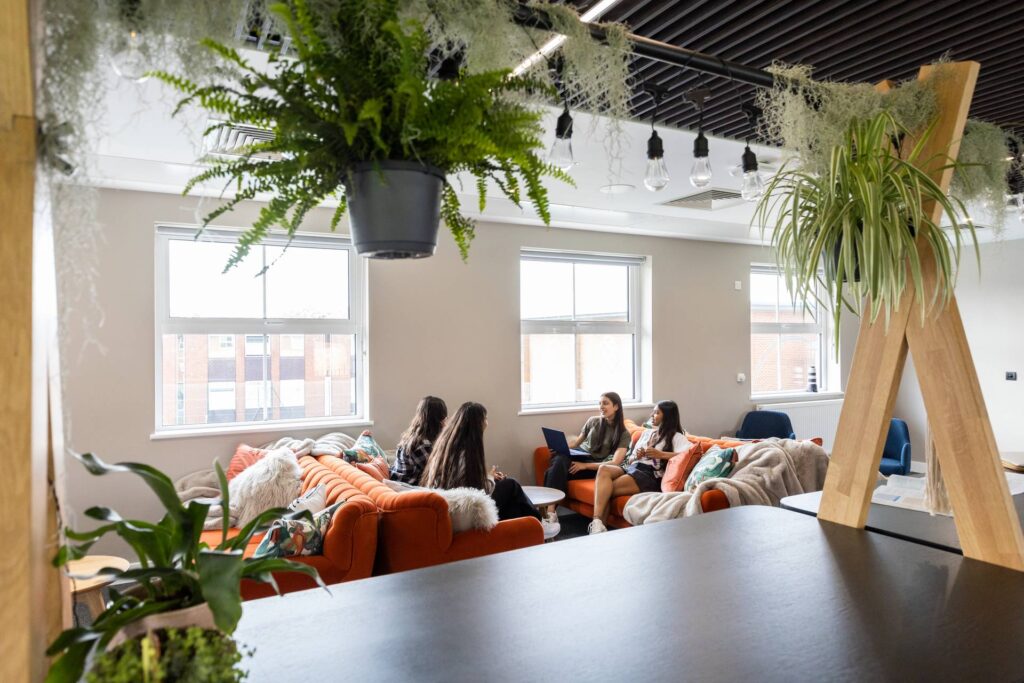
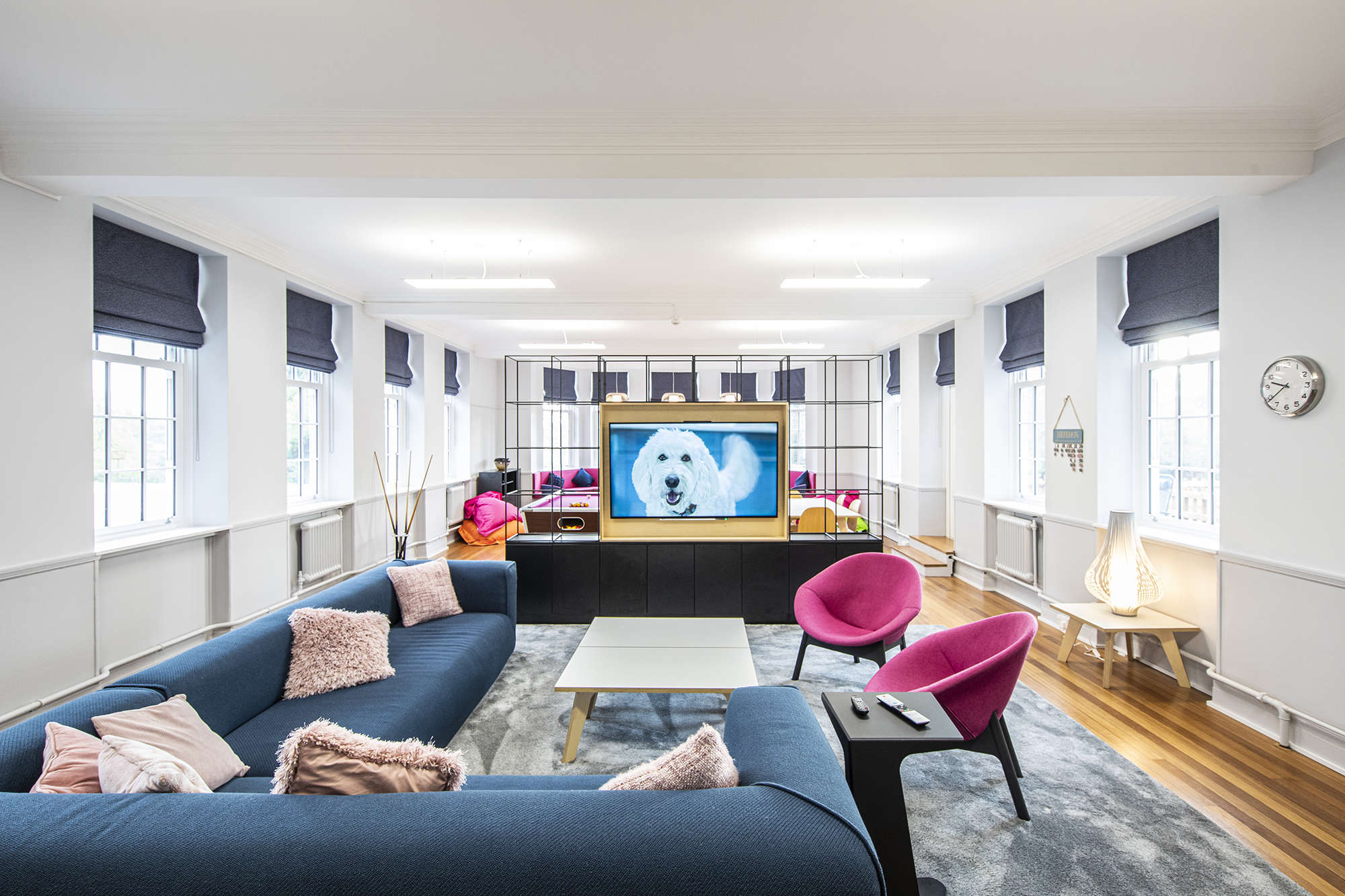
Every activity involves both individualisation and socialisation. Whether this is shopping, reading, playing sport, cooking… the list is anything you can think of. Understanding how these interact helps us see the relationship between self-identity and activity. Over time, this can develop into place identity and a stronger sense of belonging. This is activity-based learning: understanding inclusion at a personal level through the environment. Our research into learning spaces highlights the key features to consider for any space. Our research into Sixth Form spaces dives deeper into this specific key transition point. But what data do you need?
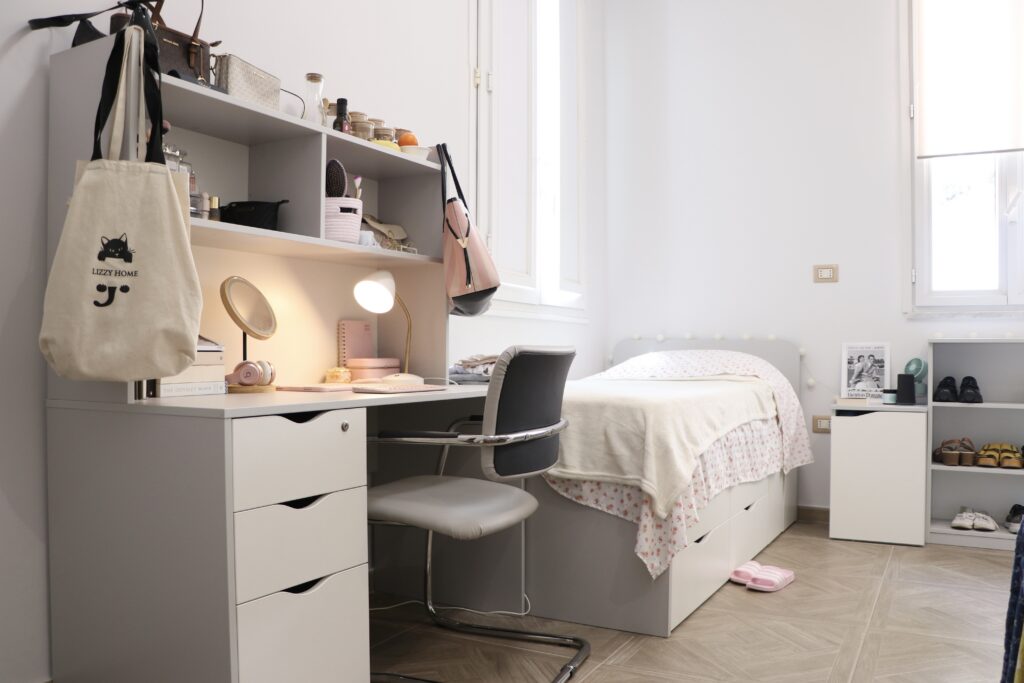
Your environment is your data
David Walker from BSA highlighted the importance of collecting data on our schools and the challenges that boarding schools are facing now. For me, boarding schools are opportunities being missed by parents because of their price point and positioning within the market.
To engage a learner, you need the right environment. The very best part of boarding reflects the 360-degree nature of the environment and its impact on learning. This can be 365 days of the year when there is a connection with the family.
The panel discussion on marketing, mergers, acquisitions and the school as a business was punchy and on point. Following on from the data shared by David, the panellists — Duncan Murphy, Carolyn Reed, James Leggett and Neil Roskilly — discussed the importance of collecting the right data at the right time, to make sure that decisions are planned well in advance and are not based on lagged data. Using the environment as your way to frame the data you need, and therefore the questions you need to be asking, is the way in which you can ensure your school is in the right position to maintain, grow, and then develop at the right pace.
Your environment is your curriculum, and should therefore be your data collection.
A conference of change makers
The conference finished with a ‘wow’. Patrick Derham OBE moved our thinking from a narrow curriculum and assessment lens to what is already being achieved in the most challenging of environments. The links with new PISA and UNESCO aims, and what this looks like through the lens of those leading the way.
When learners have a purpose, and when they know what that is, when they have the determination to make a difference, and they can apply themselves, they just need the opportunities.
Give them the skills and the confidence blossoms; give them choices and the knowledge grows; give them both in the right environment, and they will drive their own learning.
• We aren’t talking about ‘dys’, ‘dis’ or learning gaps.
• We aren’t talking about a one-size-fits-all approach.
• We are talking about connecting the right people with the right learning opportunities.
• We are talking about engagement and potential.
• We are presenting a bright and exciting future.
• We were at a conference of Change Makers.

Leave a Reply