Every estate proposal rests on assumptions. About what the problem is, about what fixing it would cost, about whether the money could ever be justified. Those assumptions form over years of walking the same corridors, and they’re rarely tested before the business case gets built on top of them.
This piece is simply a set of examples of what happened when they were tested. Three situations, three different assumptions, and in each case the measured picture turned out to be different from the assumed one. Readers can draw their own conclusions about what that means for their own estate.
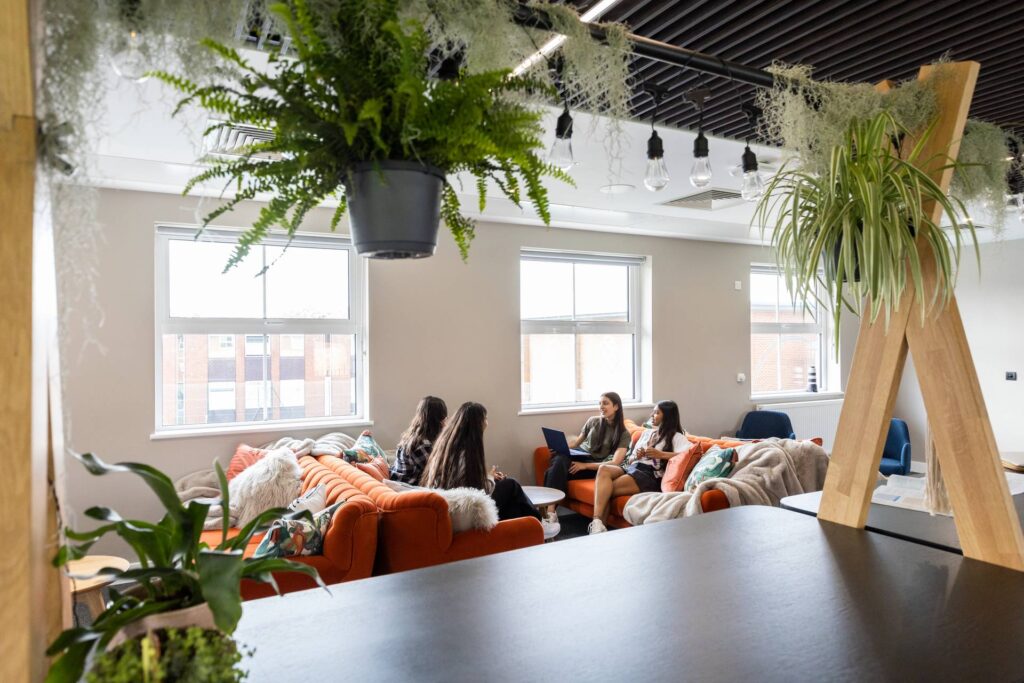
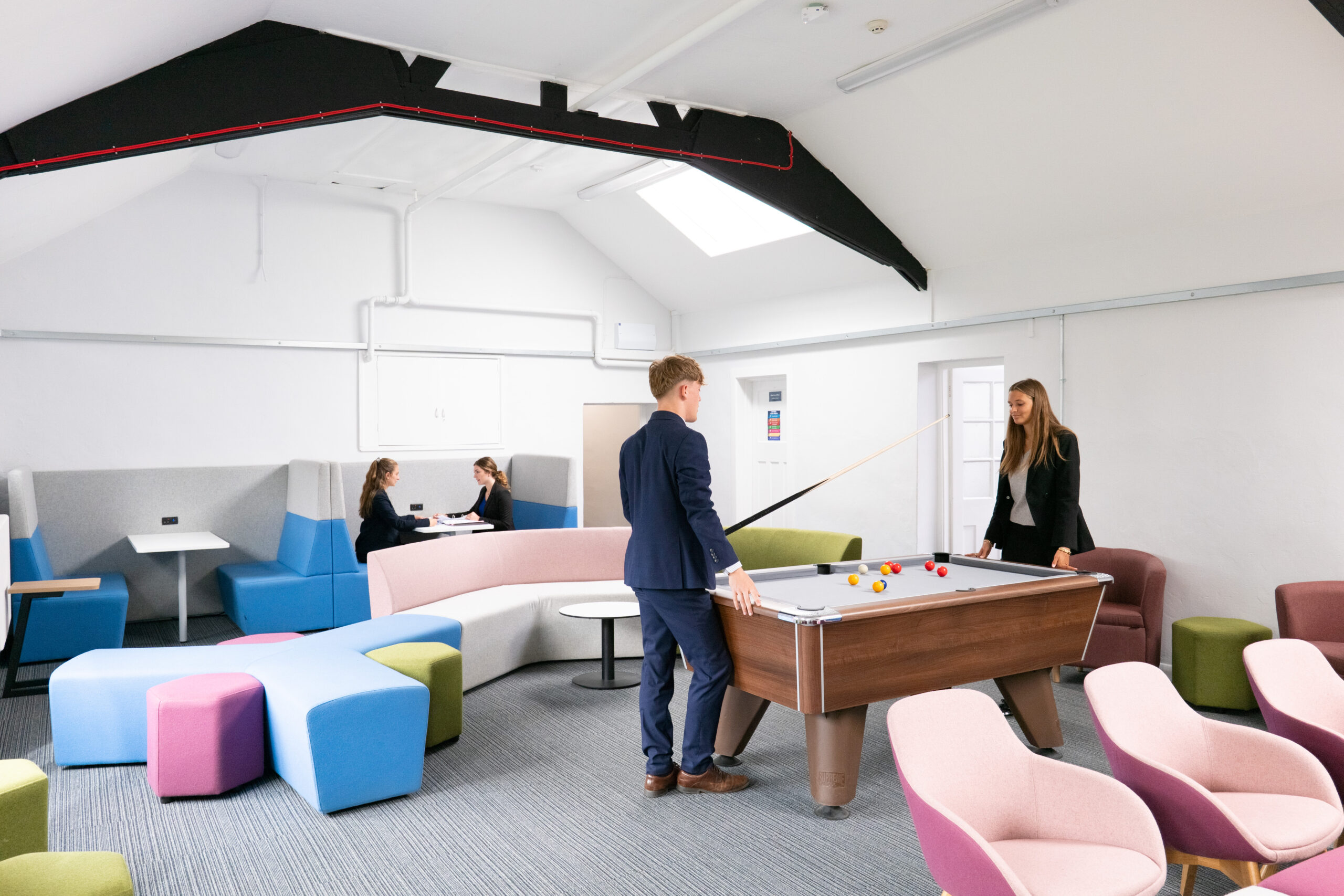
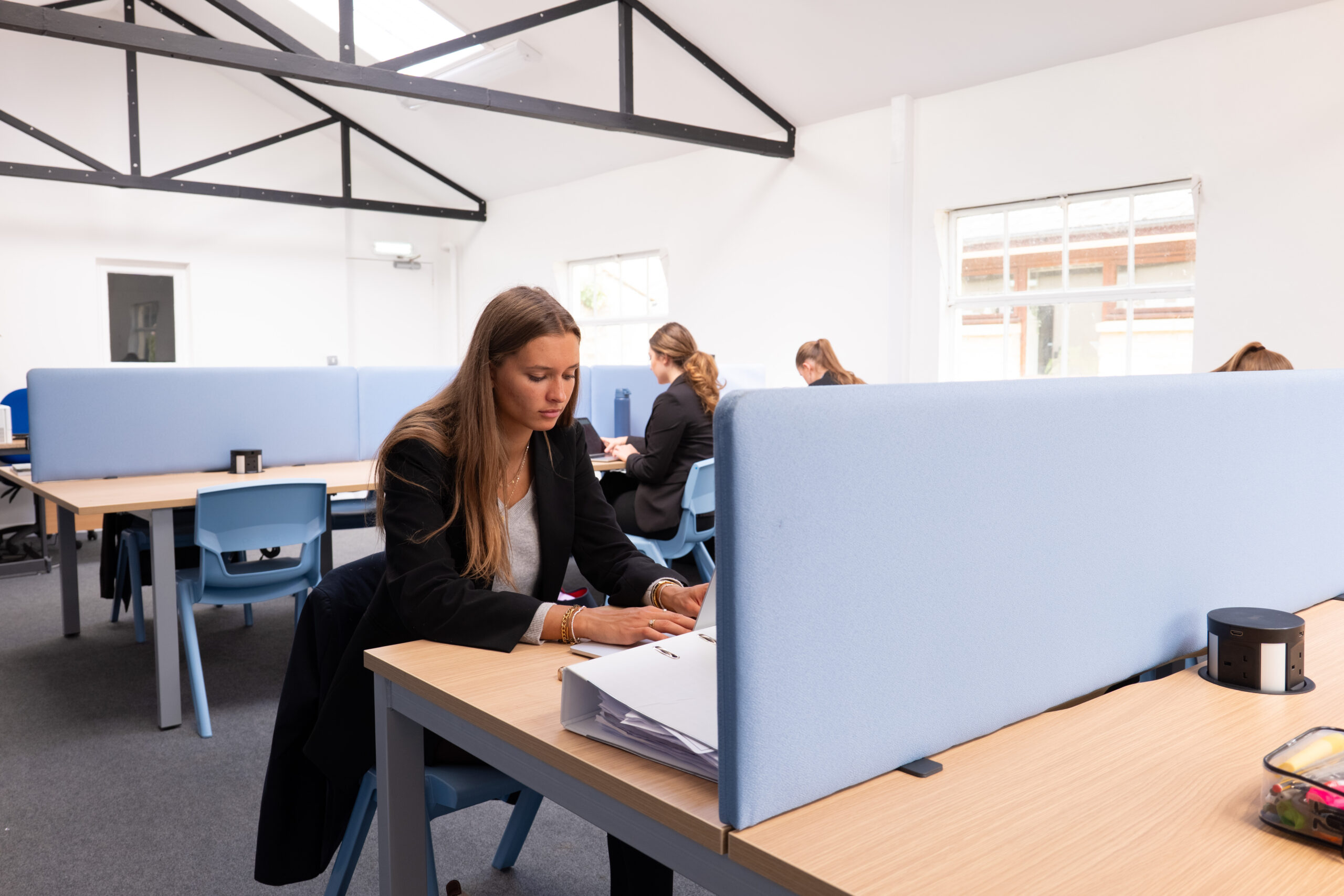
On retention: Woldingham School. Woldingham set out to give its Year 11 pupils a visible reason to stay into the sixth form, with a brief that went well beyond refurbishment: a sixth form centre and library that supported academic ambition and self-discovery and worked for neurotypical and neurodiverse learners alike. The design was built around specific learning behaviours rather than generic flexibility, distinct settings for collaborative study, energetic social space, silent independent work, and a library repositioned as a place where knowledge gets made rather than stored. Sixth form retention moved from a 60 per cent baseline to 85 per cent two years on, a gain of 25 percentage points as reported by the school. The estate change enabled two new subjects, and the centre now works as a recruitment asset as well as a learning environment. It’s fair to say the scale of that movement wasn’t something anyone could have promised at the outset. That’s rather the point: the value of the environment as a retention lever only became visible once it had been pulled.
On capacity: a school group’s European estate. Earlier this year one school group put four of its European campuses through a structured estate assessment, four sites, 1,328 pupils on roll between them. The assessments identified 352 further places within the estates the group already operates, with the works to unlock them scoped at between 3.1 and 3.8 million euros across all four sites. The individual findings are instructive. At one campus, built for 300 pupils and running at 426, the working assumption was an absolute shortage of space; the review found the real constraint was utilisation, how the existing area was being used, rather than how much of it there was. At another, running 318 pupils on a large plot, the estate could support 450. Before the assessments, none of these numbers existed. The group was operating a portfolio with a quarter more capacity in it than anyone had quantified, and the cost of reaching it was a fraction of what acquiring or building that capacity would have been.
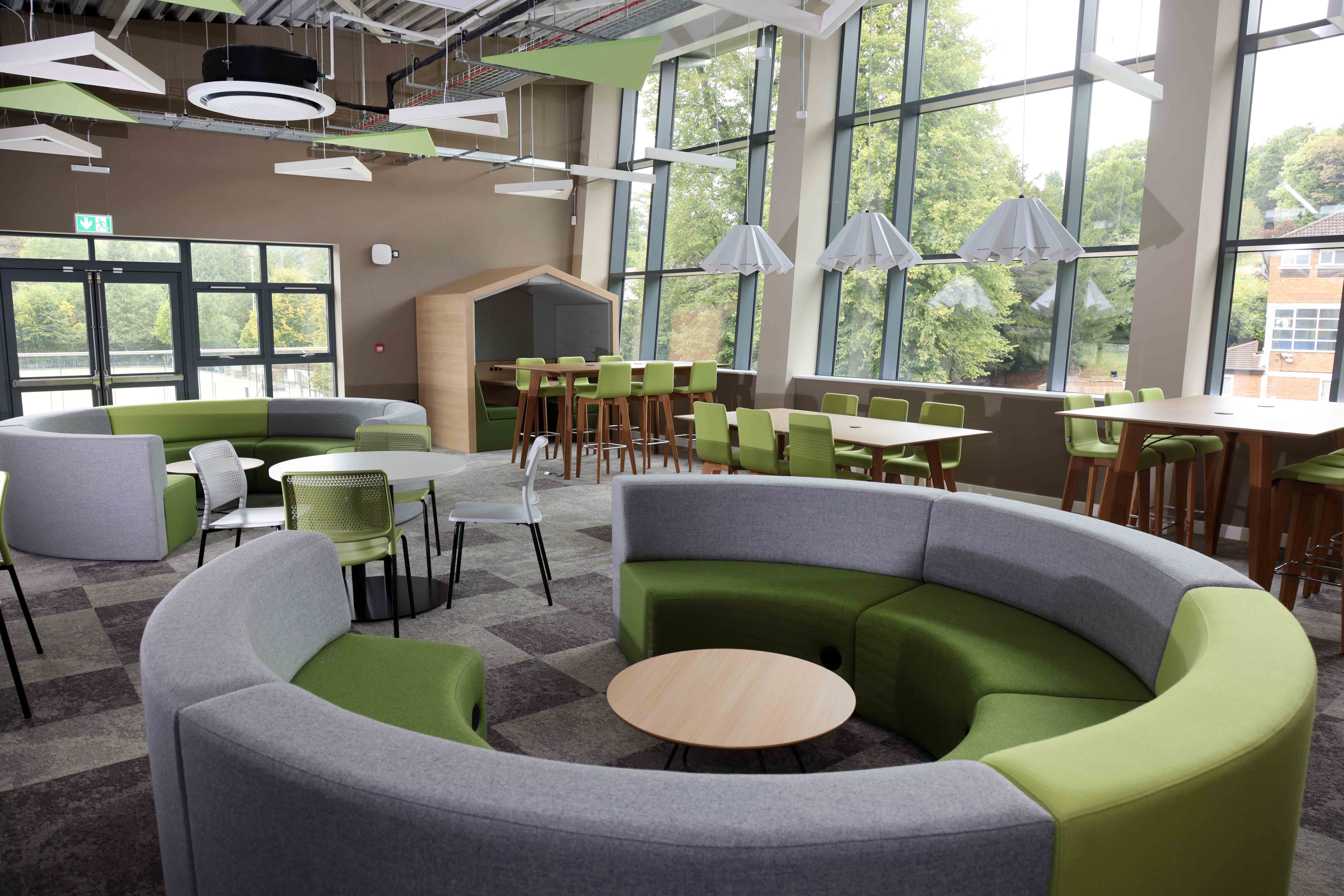
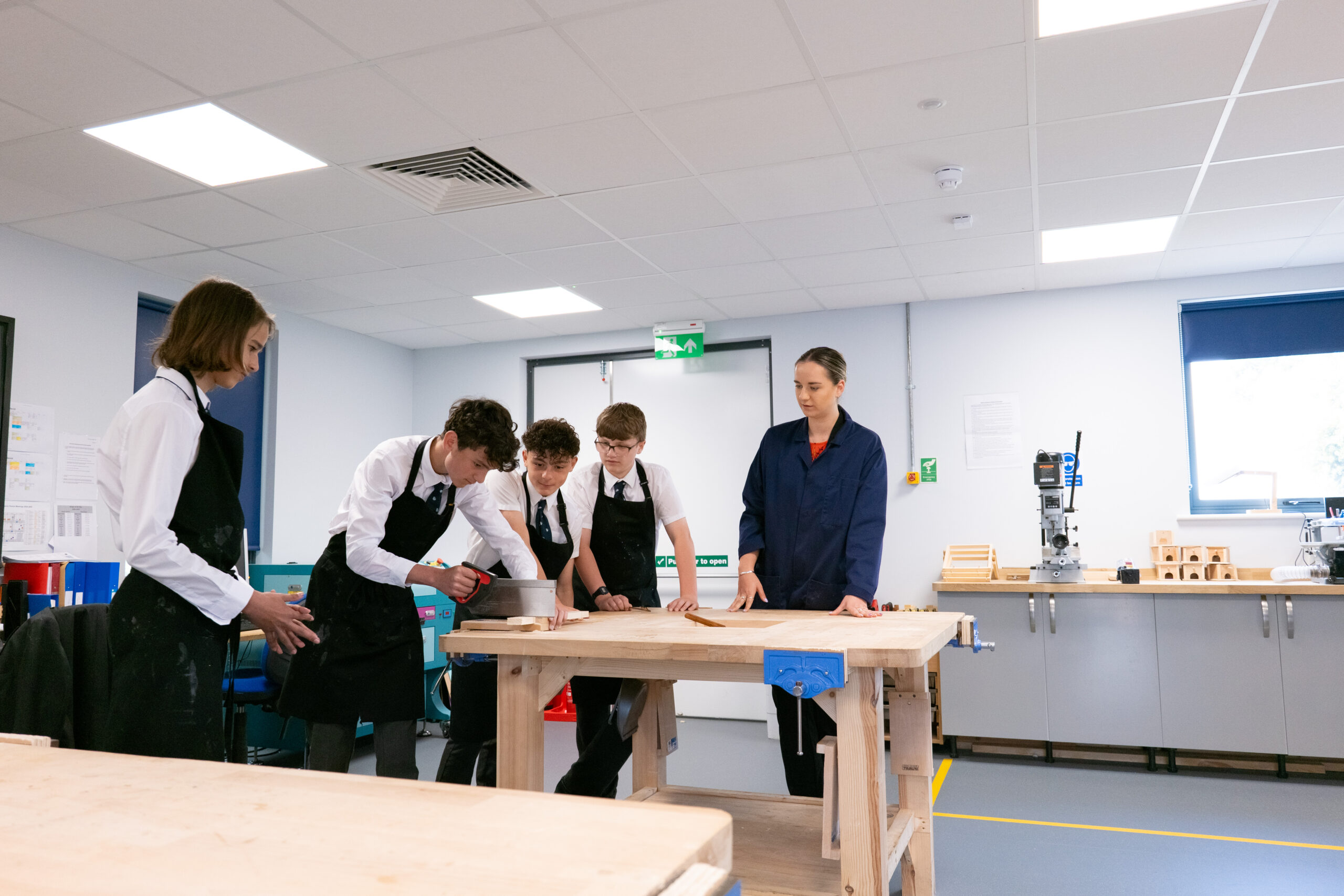
On affordability: Stonar School. Stonar, part of the Globeducate group, needed a library, a sixth form centre, a design and technology suite and more places. Costed as traditional construction, the price came back significantly too high for board approval. That’s the point at which many projects quietly join the deferred list. Instead, the same requirement was redesigned around modern methods of construction and approved at a substantially reduced cost, delivering the library, the sixth form centre, the D&T suite and 55 additional places, with a return forecast that comfortably cleared the board’s investment threshold. The forecast is a projection rather than a delivered outcome, and it’s right to say so. But the approval itself is the fact that matters here: a project that was unaffordable in one form proved fundable in another, without shrinking what the school actually got.
The arithmetic underneath all three. A single retained pupil is worth six figures in fee income over their remaining years at a school, so retention movements measured in whole percentage points carry more value than most capital projects cost. A place identified within an existing estate is fee revenue with no land purchase or new build attached. And the same scheme, redesigned around a different construction method, can sit on the other side of a board’s affordability line. In each case the estate had been sitting in the school’s thinking as a cost line. Measurement moved it to the revenue line.
What links the three isn’t a method of persuasion, it’s a sequence. Each organisation established the facts about its estate before deciding what to ask its board for, and the case that emerged from the facts was stronger, and usually smaller, than the one instinct would have written. Urgency without affordability gets sympathy. Affordability without urgency gets deferred. The two together get funded.
So before your next proposal goes anywhere near an agenda, the question worth asking isn’t whether your business case is well argued. It’s whether it’s the right case at all. What is your current proposal assuming that nobody has actually measured?
Series note: Third in a four-part series on estate investment in independent schools. Previously: “Why good projects don’t get funded” and “The evidence your board is waiting for.” Woldingham School retention as reported by the school, against the pre-project baseline. Group capacity figures from structured estate assessments of four European campuses carried out in 2026. Stonar School reflects an approved scheme and a forecast return, not a delivered outcome. Projects delivered by Noble + Eaton with Envoplan Group.





Leave a Reply