
Can Colour Keep Classrooms Cooler?
The Hidden Role of Design in Creating Better Learning Environments
As another summer of record-breaking temperatures sweeps across the UK, classrooms are once again feeling the heat.
For many schools, keeping learning spaces comfortable has become an increasingly difficult challenge. Buildings designed to retain warmth during the winter are now having to cope with prolonged periods of high temperatures, often without the benefit of mechanical cooling.
When discussing educational outcomes, conversations typically centre on curriculum, teaching methods, and technology. Yet there’s another factor that deserves greater attention: the physical environment in which students learn.
Emerging research continues to show that thermal comfort has a measurable impact on concentration, wellbeing, and academic performance. While temperature control is often associated with heating and ventilation systems, one surprisingly effective design tool is frequently overlooked—colour.
Colour perception is relative. Just as cultural norms can be categorised through observational studies and understood through activities, so can colour.
Consider the energy levels of different foods, their colours, and their impact on our output. Light, temperature, and colour are connected for us internally through how we process the environment.
We measure energy levels of foods to guide us to a healthy level of food intake. However, this should also be based on how our bodies process food, as well as our levels of activity and energy output.
How does this analogy link to the environment? The environment affects the energy inputs as much as the food we consume. The environment is our light, our heat, it is also our source of food, and it is affected by colour. The environment therefore affects our ability to process information and to learn because it is energy input.
How we organise learning through the design of the environment is therefore vital in engaging learners.

Why thermal comfort matters
Thermal comfort is more than simply feeling too hot or too cold. According to the Health and Safety Executive (HSE), it describes a person’s satisfaction with their thermal environment and is influenced by factors including temperature, humidity, air movement, clothing, and activity levels.
When these factors fall out of balance, our attention shifts away from the task at hand and towards restoring comfort.
In a classroom, those small distractions can quickly add up. Teachers already work to reduce cognitive load, making curriculum content accessible through an understanding of how students learn. Increasingly, however, the evidence shows that the environment in which that learning takes place must also be considered.
Research has consistently demonstrated that uncomfortable temperatures can affect cognitive performance. A landmark Harvard-led study analysing the PSAT results of more than 10 million students found that a school year just 0.56°C warmer was associated with a 1% reduction in learning. Each additional school day above 32°C further reduced educational attainment, while schools equipped with effective climate control systems experienced almost none of these negative effects.
The impact isn’t limited to students. Separate research by Cornell University found that people working in cooler-than-optimal environments made significantly more mistakes, highlighting how thermal discomfort affects concentration and productivity across the whole learning community.
As climate change increases the frequency and intensity of UK heatwaves, designing classrooms that remain comfortable throughout the year is becoming less of a nice-to-have and more of a necessity.
More than aesthetics: how colour influences comfort
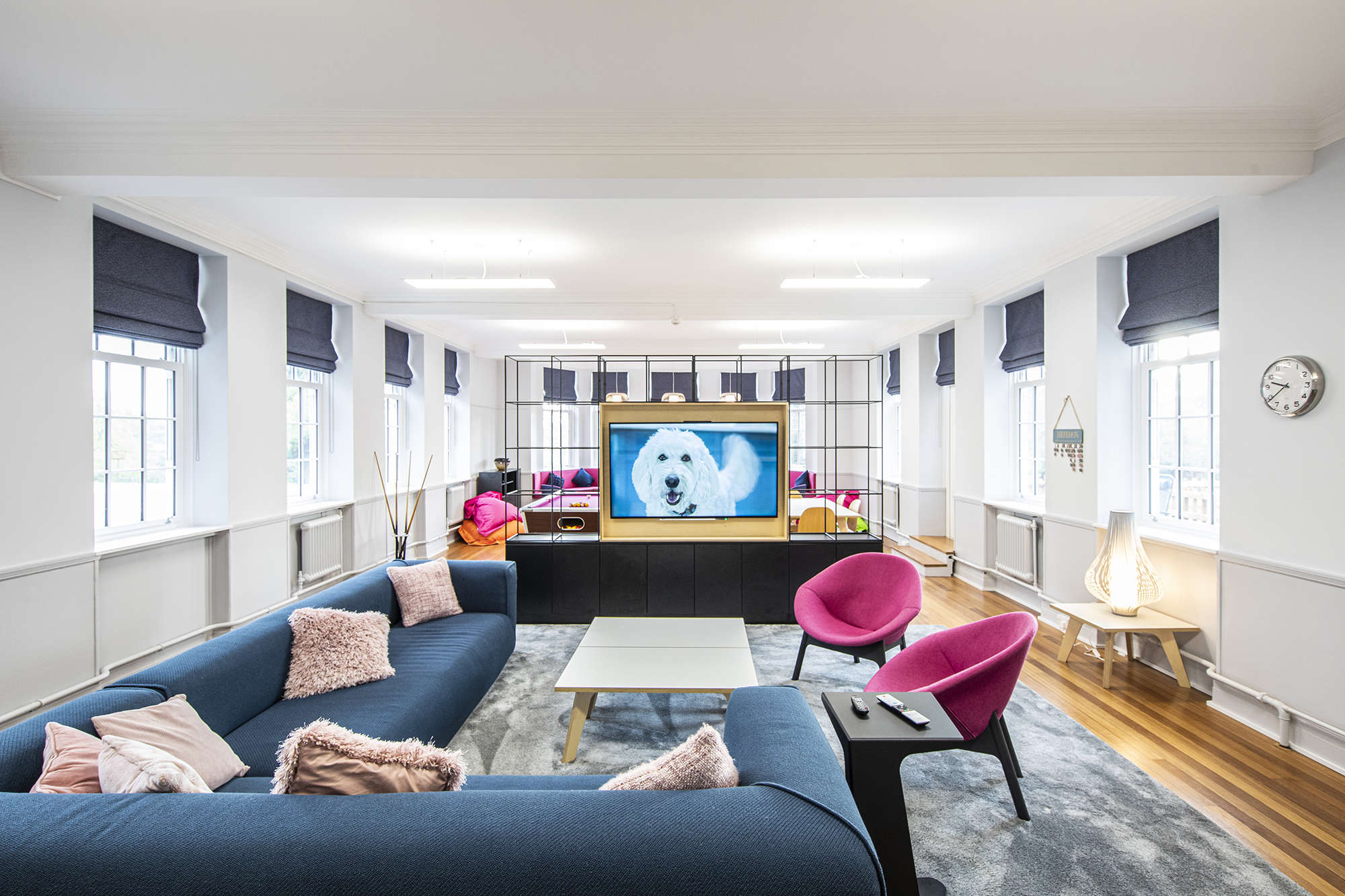
Colour has long been recognised for its influence on mood, behaviour, and wellbeing. Increasingly, however, designers are recognising that it also plays a role in how warm a space feels—and in some cases, how much heat it actually absorbs.
This influence works in two distinct ways: physically and psychologically.
Light colours can help reduce heat gain
The colour of interior finishes affects how surfaces interact with sunlight.
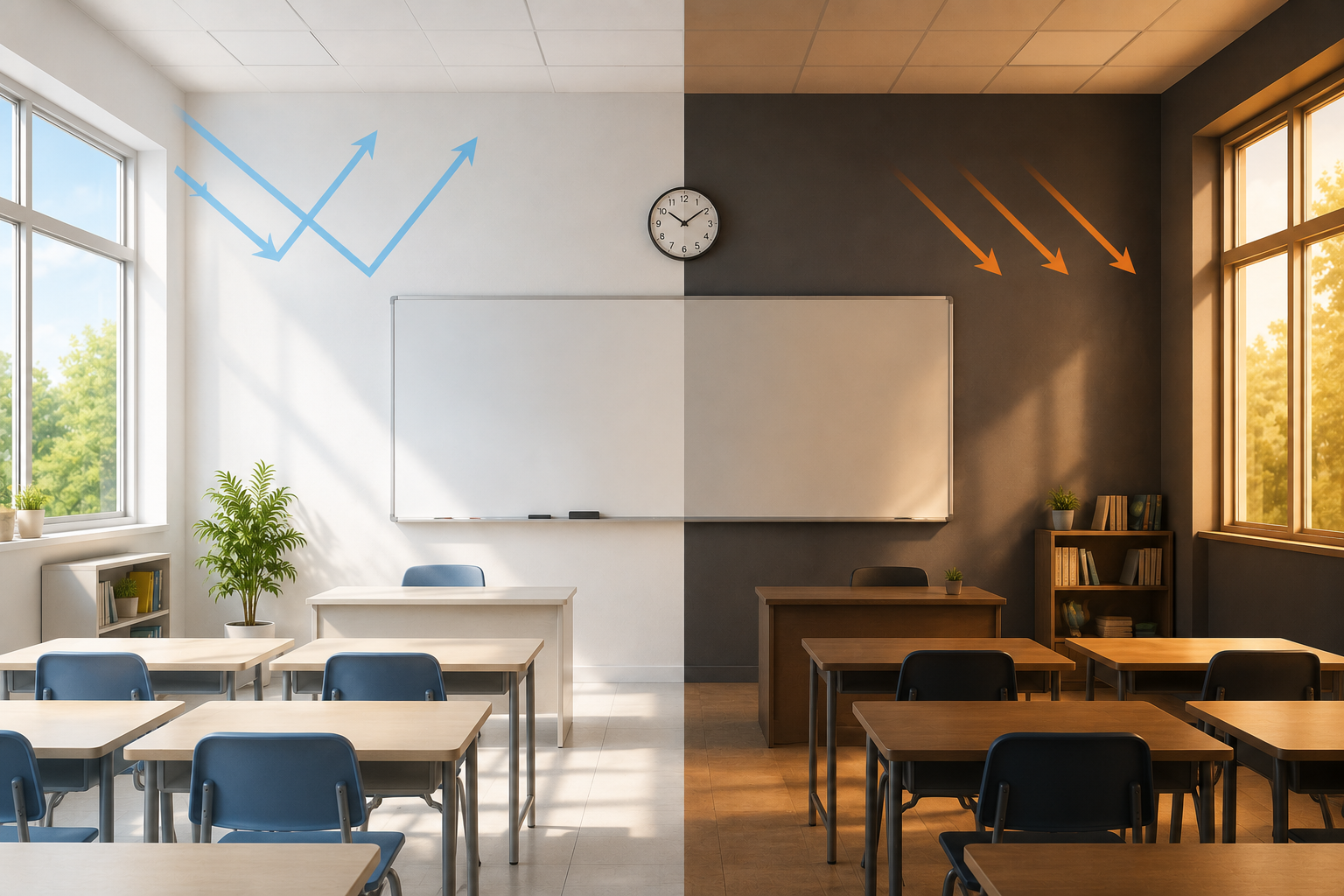
Dark walls, furniture, and flooring absorb more solar radiation, storing heat throughout the day before gradually releasing it back into the room. In classrooms with large south- or west-facing windows, these surfaces can become noticeably warmer, contributing to overheating long after direct sunlight has moved on.
By contrast, lighter finishes reflect a greater proportion of light and heat, helping to limit heat absorption while improving daylight distribution.
Simple specification choices can make a meaningful difference, including:
• Light-reflective wall finishes with higher Light Reflectance Values (LRVs)
• White or off-white ceilings to maximise natural daylight
• Pale timber finishes such as birch or light oak
• Light-coloured flooring that avoids excessive heat absorption
These decisions don’t eliminate overheating on their own, but they form part of a wider strategy to create more thermally comfortable learning environments.
Colour also changes how a room feels
Perhaps even more interesting is colour’s psychological effect.
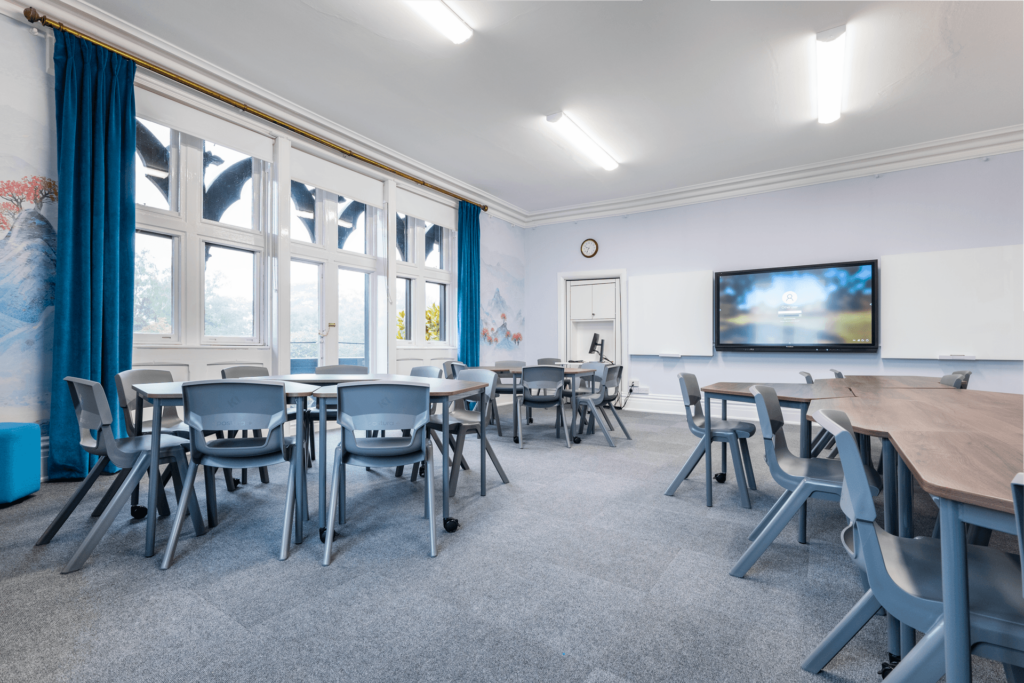
Research into environmental psychology has shown that our perception of temperature can be influenced by colour. Cool tones such as blues, greens, and soft greys are commonly associated with freshness and openness, often making spaces feel cooler than they actually are.
Warm colours—including reds, oranges, and deep yellows—can have the opposite effect, creating spaces that feel warmer despite identical air temperatures.
While colour cannot replace effective environmental controls, it can influence occupants’ perception of comfort. In schools where budgets are often stretched, thoughtful colour palettes can provide an additional layer of comfort alongside practical improvements.
Small design decisions, lasting benefits
Creating comfortable classrooms does not always require major refurbishment projects.
Many improvements can be incorporated into planned maintenance or interior refresh programmes, including:
• Solar control window films to reduce heat entering through glazing
• Reflective blinds that minimise glare without sacrificing daylight
• Furniture layouts that move workstations away from areas of highest solar gain
• Energy-efficient LED lighting that produces less heat
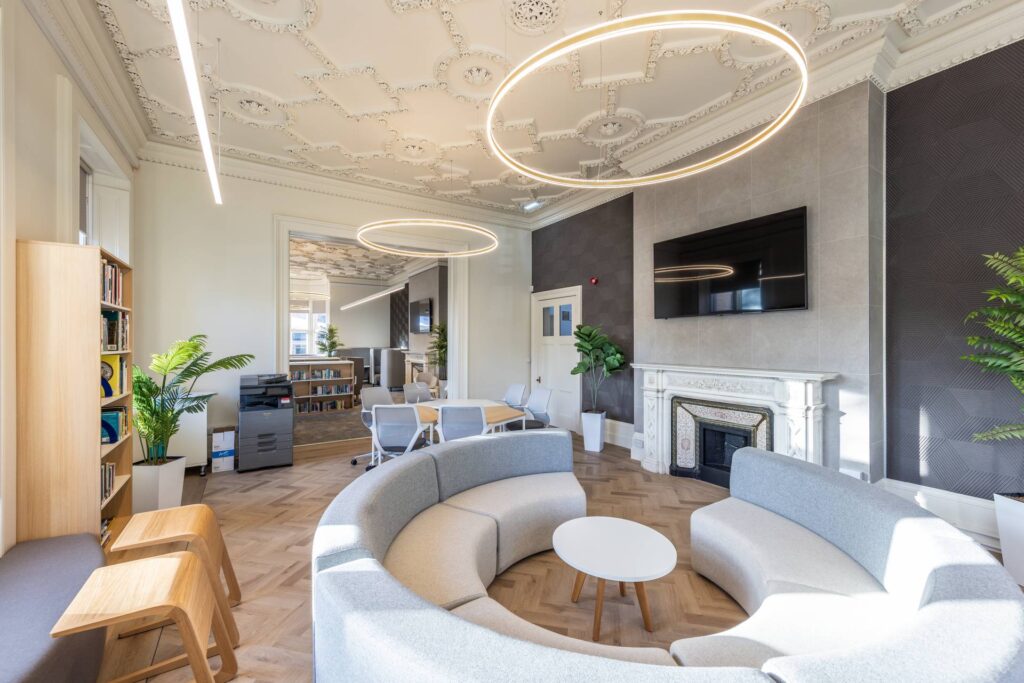
• Carefully selected materials and finishes that contribute to a brighter, cooler-feeling environment
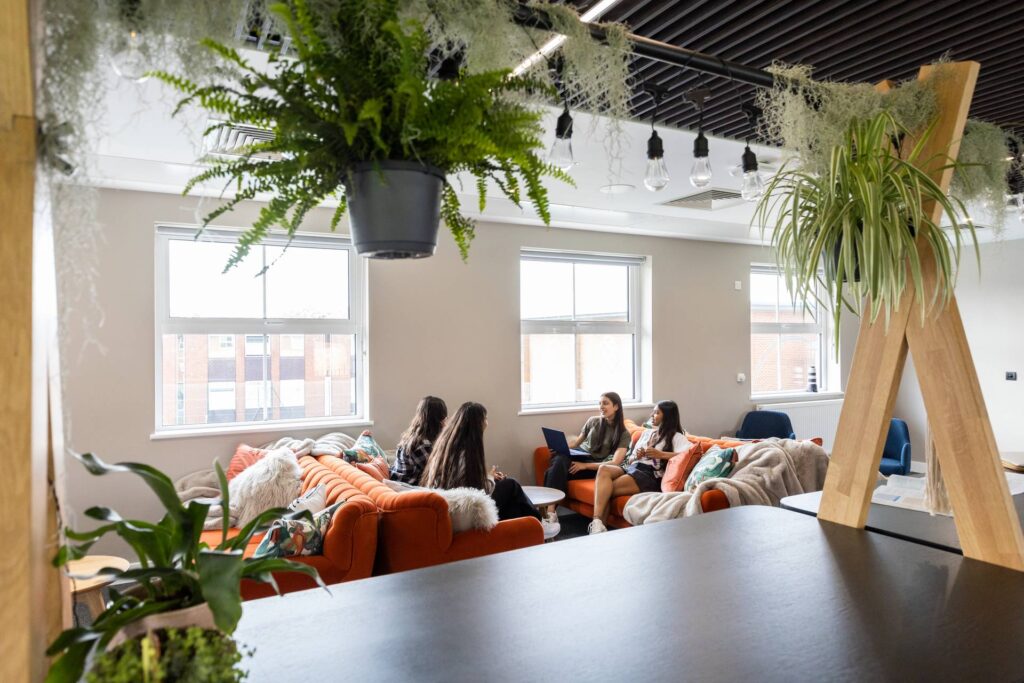
• Biophilic elements such as planting, which can enhance perceived comfort and support wellbeing
Taken individually, these interventions may appear modest. Together, they can make classrooms more comfortable, more energy efficient, and better equipped to cope with rising temperatures.
Designing for tomorrow's classrooms
The conversation around educational environments is evolving.
As schools continue to invest in improving attainment and student wellbeing, the spaces in which learning takes place deserve equal consideration. The classroom of the future won’t simply be technologically advanced—it will also be designed to support comfort, concentration, and resilience in a changing climate.
Colour may seem like a purely aesthetic decision, but its influence extends far beyond appearance. Alongside thoughtful material choice, natural daylight, ventilation, and thermal design, it can help shape classrooms that feel cooler, calmer, and more conducive to learning.
This calls for a more intentional approach to design. Which spaces need to support high-energy activity, and which require a calmer atmosphere? What colours and environmental conditions will best support the type of learning taking place? Not every space can deliver every aspect of learning, so schools must consider what should happen where, and how each environment can support it.
Place is one of the most powerful elements a school can control. Purposeful design brings temperature, colour, and curriculum requirements together, aligning the right learning activities with the right spaces at the right time.
As the UK’s summers continue to warm, the question for schools is no longer whether thermal comfort matters—but how every design decision, no matter how small, can contribute to creating better places to learn.

Leave a Reply